4 x STORIES: Older adults & intergenerational practices
Cultural activities help reduce loneliness, stimulate memory, and spark joy. Intergenerational initiatives strengthen mutual understanding and bring generations together.

Story 1_When the past lingers here and there
Saloua Berdai Chaouni (KdG & VUB, Belgium) & Nadia Babazia (Red star Line Museum, Antwerp, Belgium)
This project uses cultural heritage to bring memory, connection, and inclusion to dementia care for older Moroccan adults. Led by researcher Saloua Berdai Chaouni and in collaboration with migrant caregivers and the Red Star Line Museum, it created a reminiscence case, a podcast, and practical tools to inspire culturally sensitive care.

Story 2_Connection Through Creativity
Alison Cronin (Réalta, IE)
Art at the Kitchen Table brings art into the homes of older adults who are at risk of social isolation, pairing each participant with a professional artist to create paintings, drawings, and mixed-media work. By removing barriers to participation, the project transforms lives, showing how art can combat loneliness, foster social bonds, and nurture personal and artistic growth.

Story 3_Folded Memory
Karen Wuytens (PXL-MAD School of Arts, Hasselt, Belgium), Bieke Verlinden (Alderman for Care and Welfare – Chair of Zorg Leuven)
Art can help people carry loss and grief, especially when words are not enough. In collaboration with elderly care centre Remy, this project uses textiles to spark conversations, foster shared understanding, and make grief visible and collective across cultures and generations. By bringing together communities, sectors, and disciplines, Folded Memory shows that consolation, when carried by a community, is not only possible - it is essential.

Story 4_Long Live Lust
Tinne Claes (Vesalius Museum)
How do we speak about intimacy, touch, and closeness as we grow older? At the initiative of the future Vesalius Museum, artist Sarah Vanhee co-created a video artwork with a group of longer living individuals from Amour & Sagesse. Through a series of workshops, they wrote and moved together, sharing experiences, questions, and desires from their pasts and imagined futures. Tinne Claes, museum director, explains how the project came about and how they will also engage young people in dialogue around the artwork.
Meet the speakers of these stories
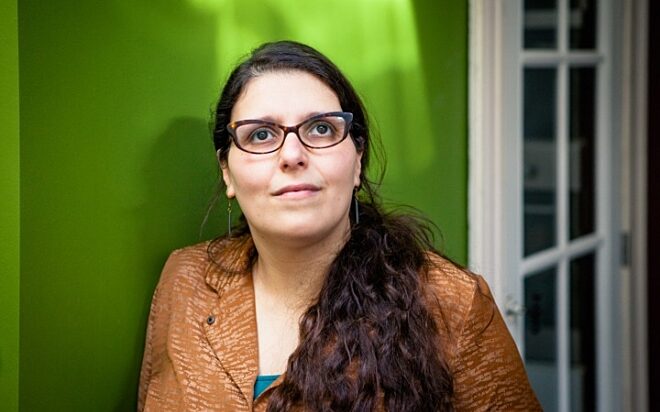
Saloua Berdai Chaouni
Dr. Saloua Berdai Chaouni is a gerontologist and biomedical scientist with extensive academic and practice-oriented expertise in equitable (dementia) care for older migrants, with a strong focus on epistemic justice through methodological innovation in participatory research.
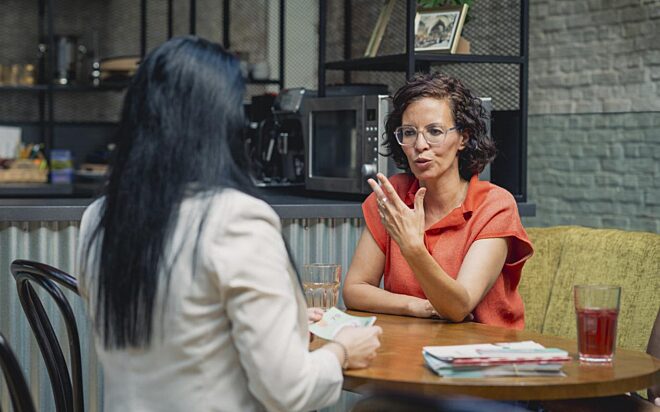
Nadia Babazia
Migration and stories are a common thread in the life of Nadia Babazia. As a sociologist and anthropologist, she has been working for 15 years at the Red Star Line Museum focusing on participation and outreach.
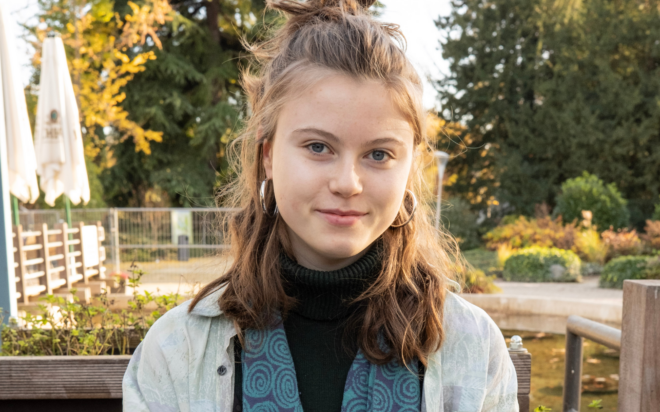
Alison Cronin
With an MSc in Social Challenges, Policies and Interventions, Alison Cronin is an advocate for the use of creativity in the provision of care. Her work focuses on the value of participatory arts practices for older adults, particularly their role in addressing social isolation and loneliness.

Karen Wuytens
Karen Wuytens is an artist and researcher who investigates objects as active carriers of meaning, shaped by context, ritual, and care.
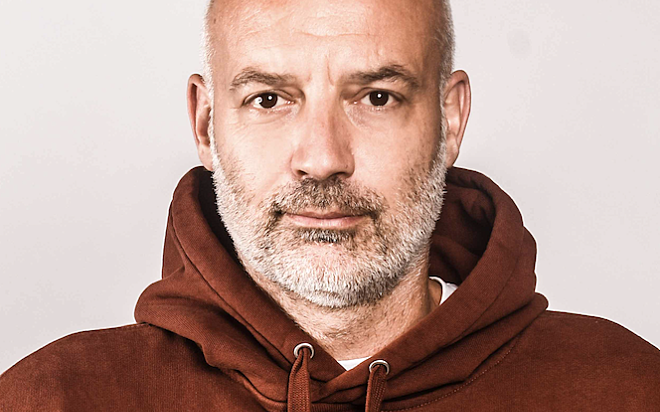
Bert Willems
Prof. Dr. Bert Willems is Head of Research at MAD-Research (PXL-MAD, UHasselt). He specializes in research policy and discourse in the arts, with a focus on the societal and academic value of artistic research.
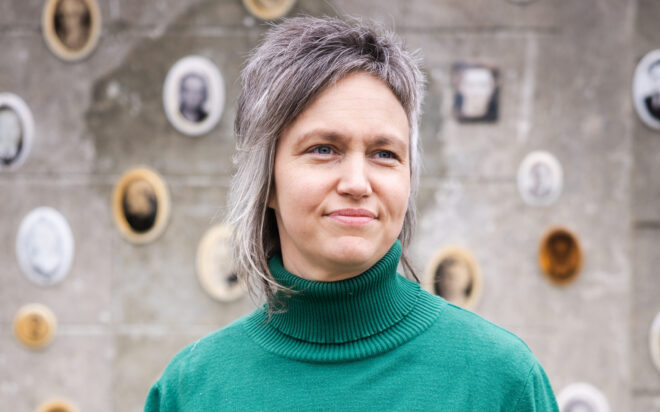
Bieke Verlinden
Bieke Verlinden is Alderman for Care and Wellbeing in Leuven. Her engagement is rooted in a broad vision of care: supporting people in all stages of life, including in grief and loss, and for those who are no longer with us.

Tinne Claes
Tinne Claes, Academic Director of the new Vesalius Museum in Leuven, studies how medical history and museum practices may shape public debates on health.